Researchers flag concerns over reward-linked smart vapes
MUSC researchers say smart vaping devices that link use to rewards, apps and crypto-style incentives deserve closer regulatory attention.
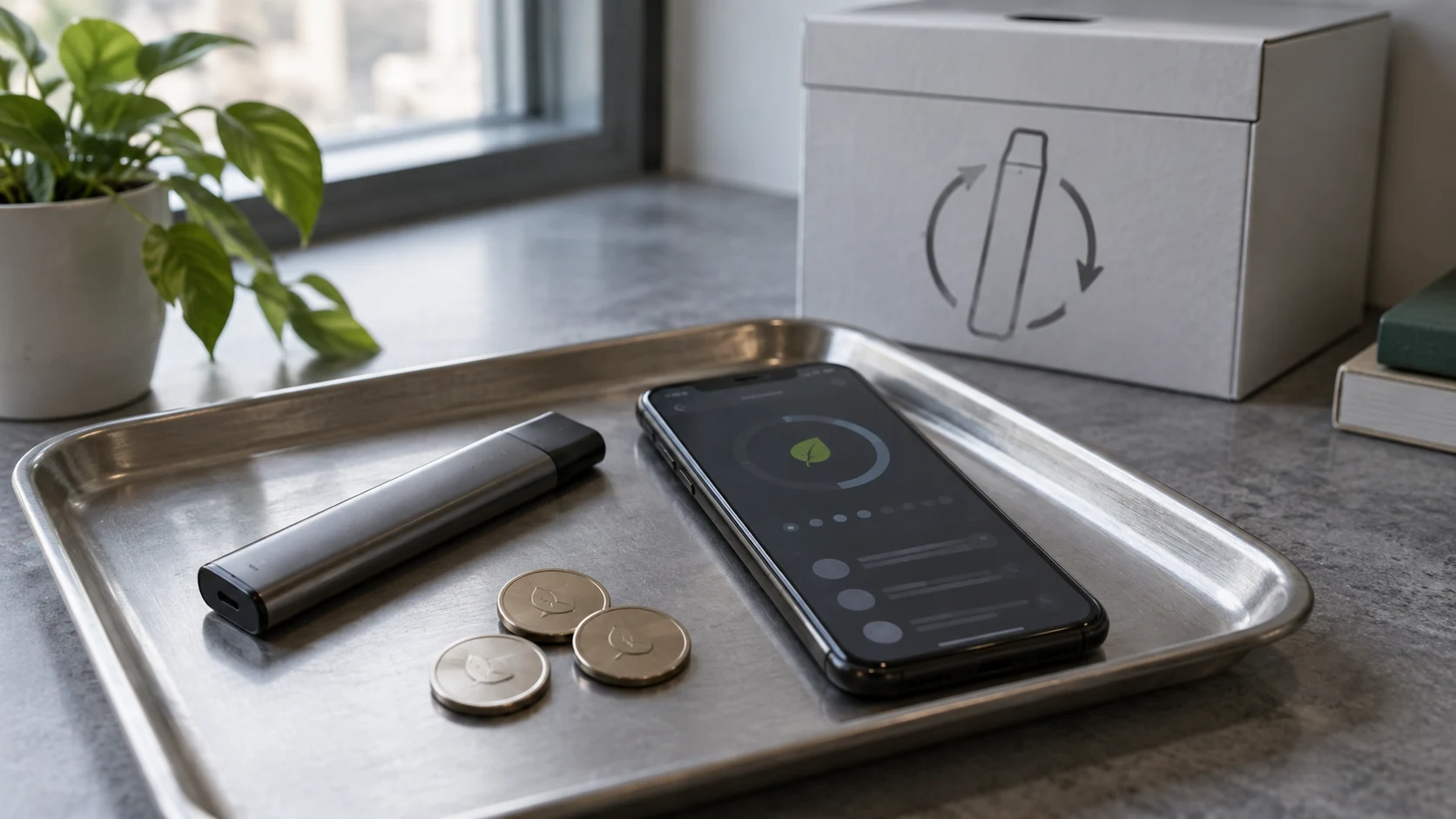
Researchers at MUSC Hollings Cancer Center have raised concerns about a small but notable category of smart vaping products that connect use with app-based rewards, gamified features or cryptocurrency-style incentives.
In an institutional announcement, MUSC said its researchers had published a perspective in the New England Journal of Medicine examining devices that track use and reward engagement. The article identified two recently introduced products: one nicotine vaping device and one cannabis vaping device. The concern is not simply that the products are digital, but that they may reward continued use of an addictive substance rather than reduced use or abstinence.
For UK adult readers, the immediate relevance is less about those named US-market examples and more about the design direction. Refillable pod systems are already familiar to adult smokers who switch from cigarettes, but app-connected devices can add data collection, behavioural prompts and promotional reward loops. Those features may make a product feel more like consumer technology than a nicotine device.
Why the distinction matters
The NHS position remains that nicotine vaping is less harmful than smoking for adult smokers who switch completely, but it is not risk-free and children and non-smokers should not vape. That framing leaves room for vaping as a harm-reduction tool while still treating product design and marketing as important public-health questions.
The MUSC authors argue that reward-linked designs may be especially problematic where points, refills or digital assets are connected to use. That is different from support schemes that reward not smoking or other treatment goals. It also raises questions about privacy if devices or apps collect detailed information about vaping behaviour.
What is still uncertain
The report is a perspective article, not a trial measuring real-world use of these devices. It does not show how many adults or young people are using reward-linked smart vapes, nor does it establish direct health outcomes. Its value is as an early warning about a product category regulators and clinicians may need to understand before it becomes more common.
UK readers should treat any device that markets nicotine use through games, rewards or investment-style language with caution. For adult smokers considering vaping, simpler refillable devices and proper stop-smoking support remain the more relevant comparison than speculative technology features.
Sources
Checked
Original source published .
- Getting paid to vape? Researchers say that’s a dangerous combinationMUSC Hollings Cancer Center ·